If you've searched "project based freight," you've probably run into two different definitions. Some logistics providers use the term for short-term shipping surges — a warehouse move, a seasonal spike, a rush of orders that need extra capacity for a few weeks. That's a real category, but it's not this one.
This article is about the other kind: the oversized, high-value, engineering-heavy freight that moves major infrastructure builds — wind turbine blades, substation transformers, modular data center units, drilling rigs, decommissioned power equipment. If your shipment needs a route survey before it needs a truck, you're in the right place.
Below, we'll define project based freight, break down the industries driving demand for it right now, walk through how it's actually managed from first call to final delivery, and explain how KASCO approaches it for shippers who can't afford a mistake on a multi-million-dollar, multi-year build.
"If your shipment needs a route survey before it needs a truck, you're in the right place."
What Is Project Based Freight?
Project based freight (also called project cargo or "out of gauge" freight) refers to shipments that are too large, too heavy, too valuable, or too complex to move through standard freight channels. It's freight tied to a specific project — a power plant build, a data center campus, a wind farm — rather than a recurring supply chain lane.
Industry researchers put the global project logistics market at roughly $450–500 billion in 2025, growing at a compound annual rate in the 5% range, according to multiple market research estimates. That growth tracks closely with the infrastructure and energy buildout happening across the U.S. right now.
Dimensions. Loads frequently exceed the standard U.S. road limits of 8.5 feet wide, 13.5 feet tall, or 80,000 pounds gross vehicle weight, which triggers oversize/overweight permitting in every state the load crosses.
Equipment. Instead of a standard dry van, project freight moves on open deck, step deck, lowboy, or multi-axle specialized trailers built for the load's specific dimensions.
Timeline. A standard shipment is booked in days. A project freight move is planned over weeks or months, sequenced against a construction schedule where being early is just as disruptive as being late.
Stakeholders. Standard freight usually involves a shipper and a carrier. Project freight involves engineers, permitting authorities, route surveyors, escort vehicles, riggers, and site contacts — often across multiple states and multiple companies.
Common examples of project based freight include wind turbine blades and nacelles, power transformers and substation components, modular data center units and cooling infrastructure, drilling rigs and processing modules, decommissioned generators and structural components coming out of retiring plants, and prefabricated structural steel or bridge sections.
Key Verticals Driving Project Based Freight Demand
Project freight has always existed around construction, oil and gas, and mining. But the fastest-growing demand right now is coming from the energy and data infrastructure buildout — and it's not slowing down.
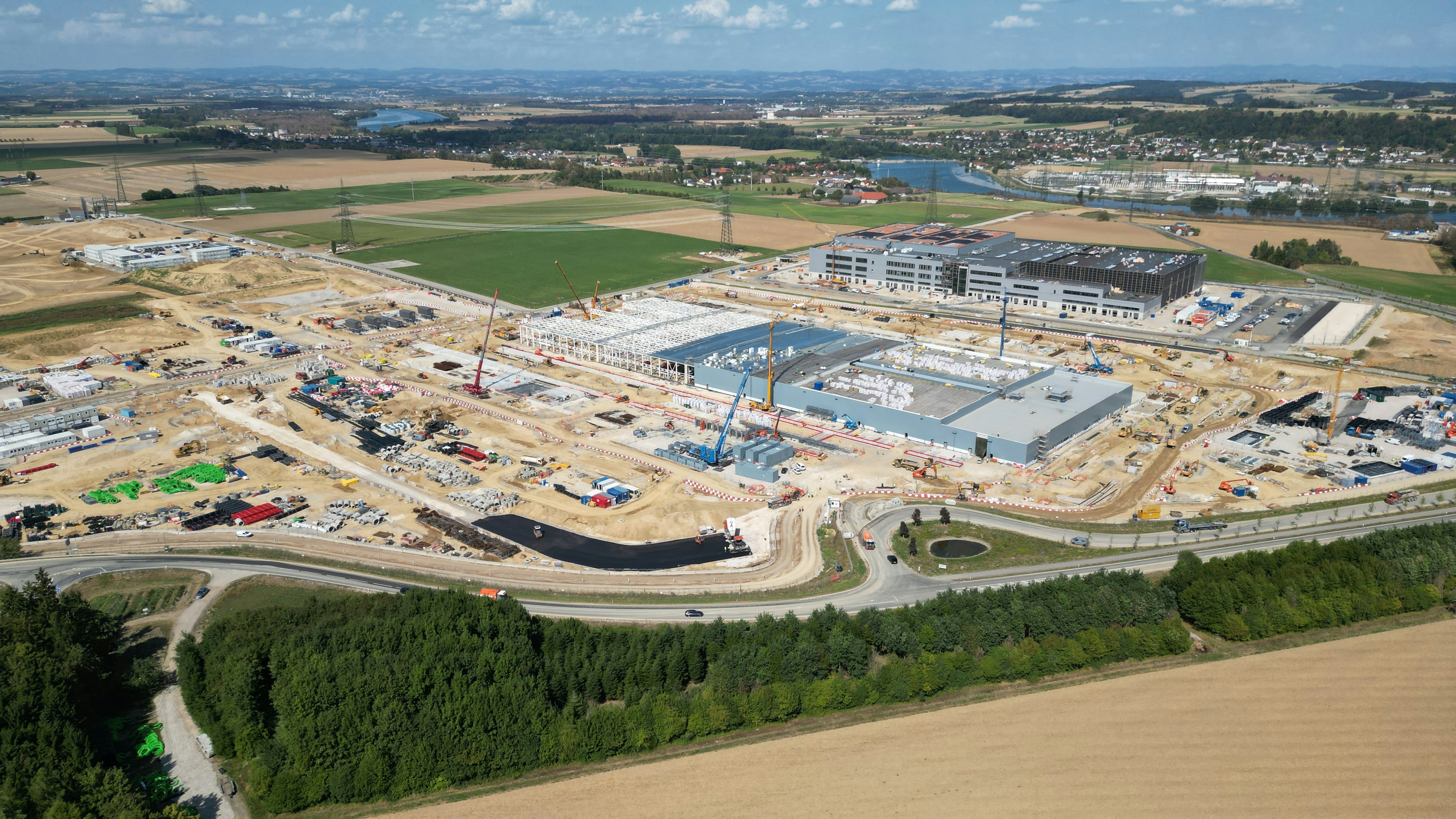
Data Center Construction. Data center growth is one of the biggest drivers of project freight volume in the country today. In Texas alone, commercial electricity demand is projected to rise 20% from summer 2025 to summer 2027, driven largely by new data centers and large manufacturing facilities, according to the U.S. Energy Information Administration. Virginia's PJM market is seeing a similar surge tied to computing facility expansion.
Power & Energy Infrastructure. The EIA also projects U.S. natural gas consumption for power generation to hit a record 46.1 billion cubic feet per day by summer 2027, a 6% jump from 2026. That growth means new generation capacity, new substations, and new transmission infrastructure — all of it project freight by nature.
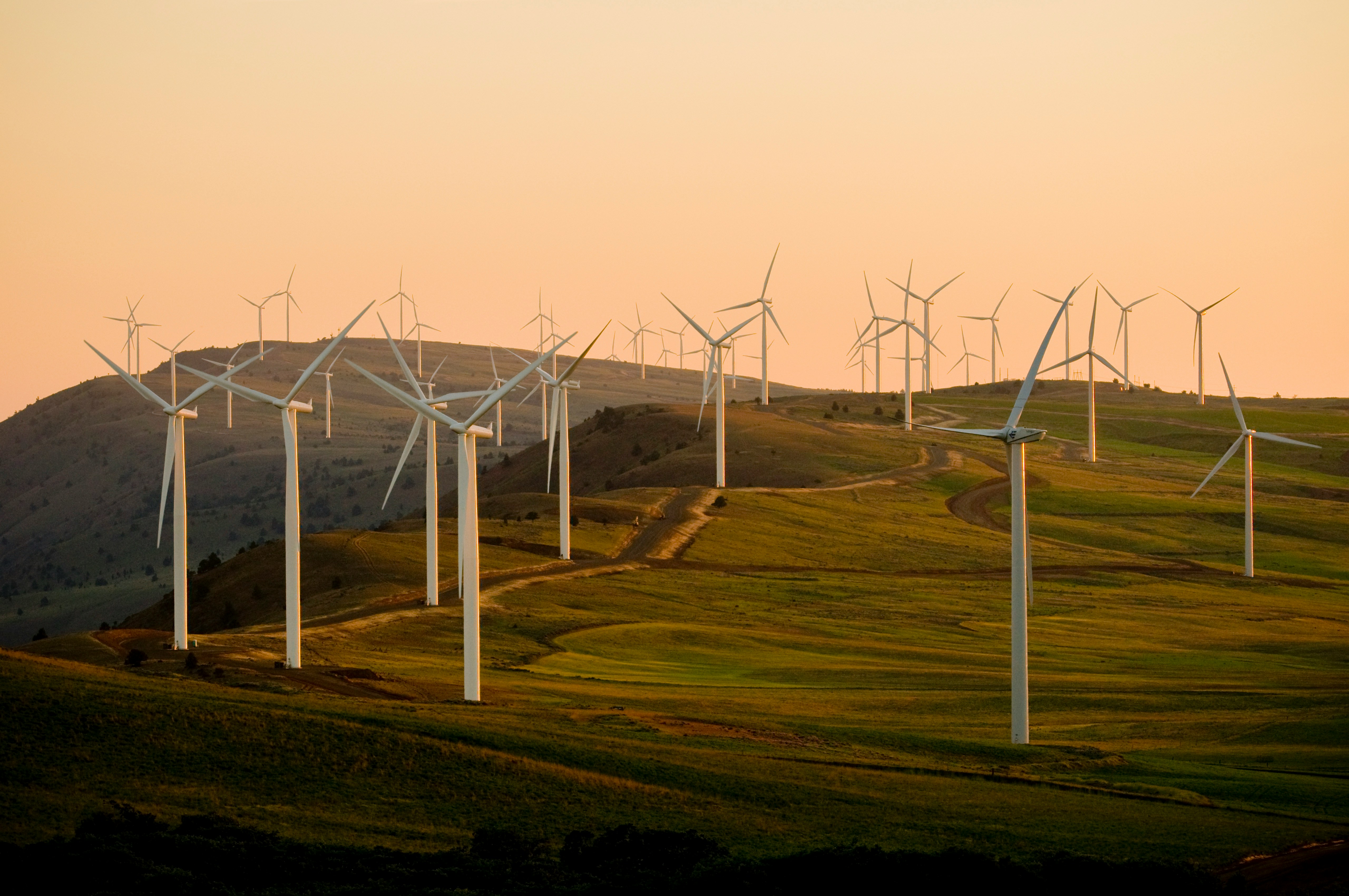
Renewable Energy Projects. Renewable generation is projected to make up 25% of U.S. summer electricity generation by 2027, up from 21% in 2025. That buildout spans everything from wind farms to next-generation projects like enhanced geothermal systems, which can involve drilling to depths of nearly 2,750 meters, and floating offshore wind platforms with blades reaching 270 meters tall and foundations engineered for open-water deployment. Getting components like that from a manufacturing facility to a remote or offshore site is a project freight problem before it's ever a construction problem.
Energy Microgrid Projects. Microgrids — localized power systems that can operate independently of the main grid — are being built out for hospitals, campuses, industrial sites, and military installations that need power resilience. Each microgrid build involves generators, battery storage units, and switchgear that typically arrive as oversized, engineered loads.
Energy Decommissioning Projects. As older power plants retire and get replaced by newer generation and renewables, someone has to move the equipment coming out — turbines, boilers, transformers, and structural components, often from sites with limited access and tight removal windows. Decommissioning freight gets far less attention than new-build freight, but it carries the same complexity: oversized loads, tight coordination, and no room for error, just in reverse.
Why Project Based Freight Requires Specialized Expertise
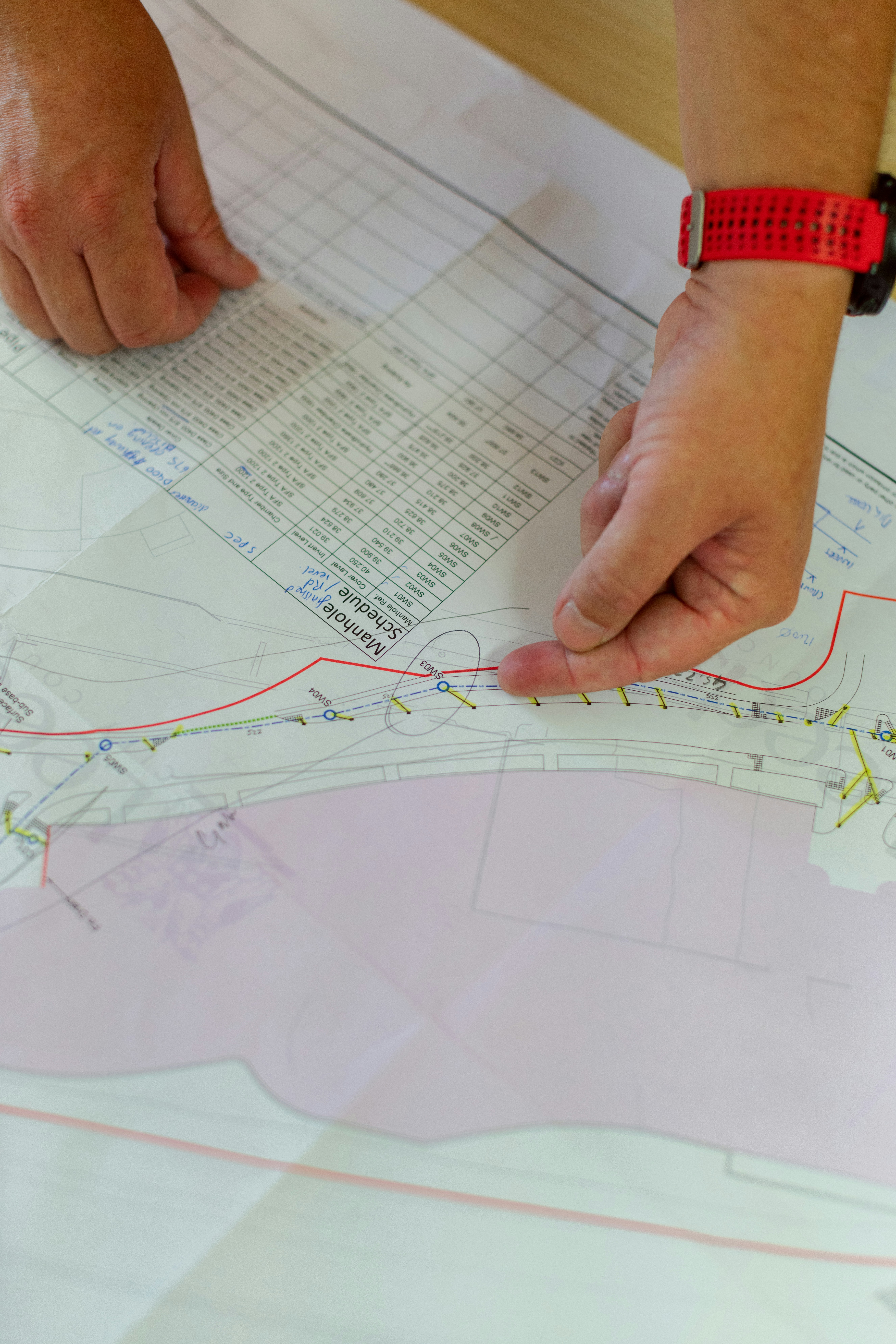
Equipment Needs. Moving an oversized load safely starts with matching it to the right equipment. Open deck trailers handle freight that doesn't fit inside a standard trailer. Oversized and heavy haul configurations — extendable flatbeds, lowboys, multi-axle trailers — are chosen based on the load's exact weight, height, width, and length, and the route it needs to travel. Getting this wrong doesn't just risk delay; it risks the load, the equipment, and the safety of everyone on the road with it.
Routing, Permitting & Regulatory Complexity. Every state has different permitting rules, escort requirements, and travel-time restrictions for oversized loads. A single multi-state move can require permits from every jurisdiction the load passes through, route surveys to confirm bridge clearances and weight limits, and coordination with utility companies if power lines need to be temporarily raised. None of this can be figured out en route — it has to be engineered before the truck ever leaves.
Multi-Party Coordination Across Long Timelines. Project freight doesn't move on its own schedule — it moves on the project's schedule. A data center build, a microgrid installation, or a plant decommissioning can run for months or years, with freight needs changing as the project progresses. That means coordinating with contractors, site engineers, permitting authorities, and sometimes multiple carriers, all while keeping the shipment aligned to a construction timeline where a late delivery can stall an entire crew.
How to Manage Project Based Freight Successfully
Managing project freight well comes down to treating it as a process, not a transaction. Here's how that process typically works from first call to final delivery:
1. Pre-project solution architecture. Before any equipment is booked, the load's dimensions, weight, origin, destination, and project timeline are assessed to design the right transportation approach — including equipment type, routing strategy, and any site-specific constraints.
2. Route engineering & permitting. The physical route is surveyed for bridge clearances, road weight limits, turn radii, and overhead obstructions. Permits are secured in every state or jurisdiction the load will cross, and escort vehicles are arranged where required.
3. Carrier & equipment selection. The right trailer configuration and carrier are matched to the load — open deck, step deck, lowboy, or specialized heavy haul equipment — based on everything confirmed in the first two steps.
4. Execution & multi-party coordination. The shipment moves on a schedule coordinated with the project's contractors, site contacts, and any other stakeholders involved, with a dedicated point of contact tracking the load and managing any issues that come up in transit.
5. Post-delivery review & lifecycle support. Once delivered, the shipment is reviewed against the project plan — and for projects that run months or years, that same team stays engaged for the next phase of freight the project needs.
How KASCO Manages Project Based Freight
Project freight breaks down when it's handled like a one-off shipment instead of part of a larger project. KASCO builds its approach around the opposite idea: every load is managed in the context of the full project it belongs to.
Dedicated project managers for the full lifecycle. Instead of handing a shipper off between reps, KASCO assigns a dedicated project manager who stays with the project from the first conversation through the final load — including projects that run multiple years and involve multiple phases of freight.
Pre-project solution architects. Before equipment is ever booked, KASCO's solution architects work through the project's freight needs upfront — load specs, timelines, site access, and equipment strategy — so the plan is built around the project, not assembled reactively once freight is already moving.
Routing expertise. With deep experience moving open deck, oversized, and heavy haul freight, KASCO's team engineers routes around the real-world constraints of bridge clearances, permitting requirements, and multi-state regulations, rather than defaulting to generic routing.
Experience across small-scale to large-scale projects. KASCO has managed project freight for energy microgrid installations, data center builds, power and energy infrastructure, renewable energy projects, and energy decommissioning work — across projects of every size, from single-load moves to multi-year, multi-party builds involving numerous stakeholders.
"That combination — a dedicated project manager, upfront solution architecture, and routing expertise — is what lets KASCO manage project freight as a continuous process rather than a series of disconnected shipments."
Project Based Freight vs. Standard Freight
| Standard Freight | Project Based Freight | |
|---|---|---|
| Planning window | Days | Weeks to months |
| Equipment | Standard dry van/container | Open deck, step deck, lowboy, heavy haul |
| Permitting | Rarely required | Often required in every state crossed |
| Route | Fixed lane | Engineered/surveyed route |
| Stakeholders | Shipper + carrier | Shipper, carrier, engineers, permitting authorities, site contacts |
| Timeline driver | Delivery schedule | Project/construction schedule |
Frequently Asked Questions