If the power goes out at your facility, does everything critical stay running — or does the whole site go dark until the utility fixes the problem? That question is why microgrids have gone from a niche engineering concept to one of the most active buildout categories in the U.S. energy sector.
A microgrid, put simply, is a self-contained electrical system — generation, storage, and controls — that can run connected to the main utility grid or completely independent of it. Hospitals, data centers, military bases, campuses, and manufacturing facilities are building them for one core reason: resilience against a grid that's aging faster than it's being replaced.
Below, we'll answer what is a microgrid, exactly, and explain how on-grid and off-grid operation work, break down the components that make one up, cover why they add value, and walk through when a microgrid is actually worth implementing. We'll also cover something most explainers skip entirely: what it actually takes, physically, to get a microgrid's equipment to the site.
"What defines a microgrid isn't the technology inside it — it's the combination of generation, storage, and a control system smart enough to manage all of it as one coordinated unit."
What Is a Microgrid?
According to the U.S. Department of Energy, a microgrid is a group of interconnected loads and distributed energy resources within clearly defined electrical boundaries that acts as a single controllable entity with respect to the main grid. In plain terms: it's a small, self-sufficient power system that serves a specific location — a hospital campus, a manufacturing plant, a neighborhood, a military installation — and can operate whether or not it's connected to the broader utility network.
There's no single standard configuration. A microgrid might be built around solar panels and batteries, natural gas generators, combined heat and power systems, or some mix of all of them. What defines a microgrid isn't the technology inside it — it's the combination of localized generation, energy storage, and a control system smart enough to manage all of it as one coordinated unit.
How a Microgrid Works: On-Grid vs. Off-Grid
Every microgrid operates in one of two modes, and most are designed to move between them.
On-Grid (Grid-Connected) Mode. In this mode, the microgrid stays electrically connected to the main utility grid under normal conditions. It can draw power from the utility when needed, export excess power back to it, and provide grid support services like load balancing and peak shaving. This is the default state for most commercial and campus microgrids — the connection to the larger grid stays in place as a resource, not a liability.
Off-Grid (Island) Mode. When the utility grid fails — a storm, an equipment failure, a planned outage — a grid-connected microgrid can "island" itself, disconnecting from the utility and running entirely on its own generation and storage. This is the resilience function that drives most microgrid investment: critical loads keep running through an outage that would otherwise shut the facility down completely. Some microgrids are designed to operate off-grid permanently, powering remote sites — mining operations, island communities, rural installations — that have no practical utility connection at all. Globally, these permanently off-grid systems represent one of the largest segments of the microgrid market, particularly across Africa, Asia-Pacific, and Latin America.
The ability to switch between these two modes — automatically, in seconds, without disrupting the loads it serves — is what separates a true microgrid from a simple backup generator.
Microgrid Components
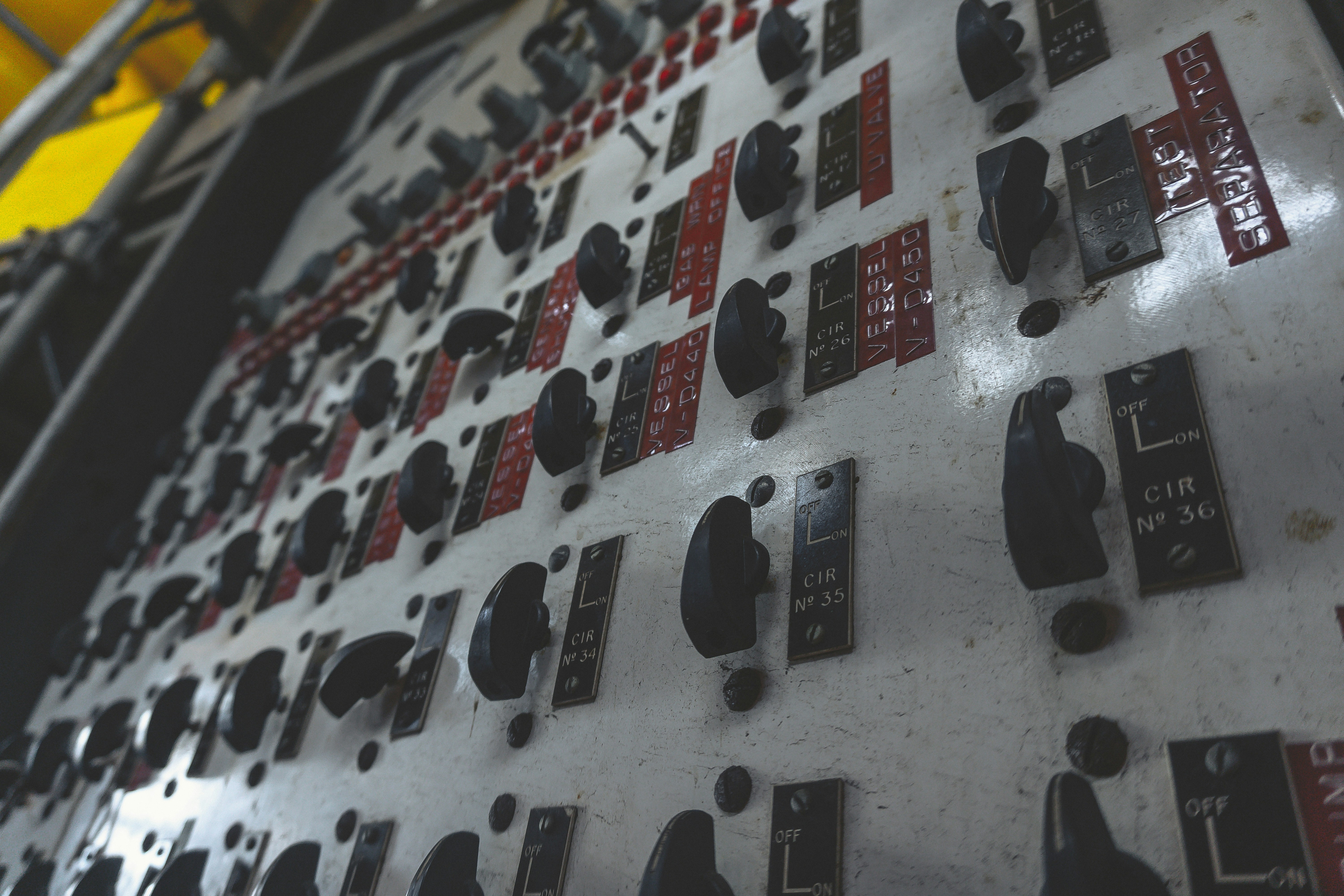
A microgrid is built from four functional categories of equipment. Here's what each one does:
| Component | Function | Common Examples |
|---|---|---|
| Generation | Produces the microgrid's power | Solar PV, wind turbines, natural gas or diesel generators, CHP systems, fuel cells |
| Energy Storage | Balances supply and demand, smooths intermittent renewables | Battery energy storage systems (BESS), flywheels |
| Control System | Manages generation, storage, and loads as one unit; handles islanding | Microgrid controllers, smart meters, inverters, protective relays |
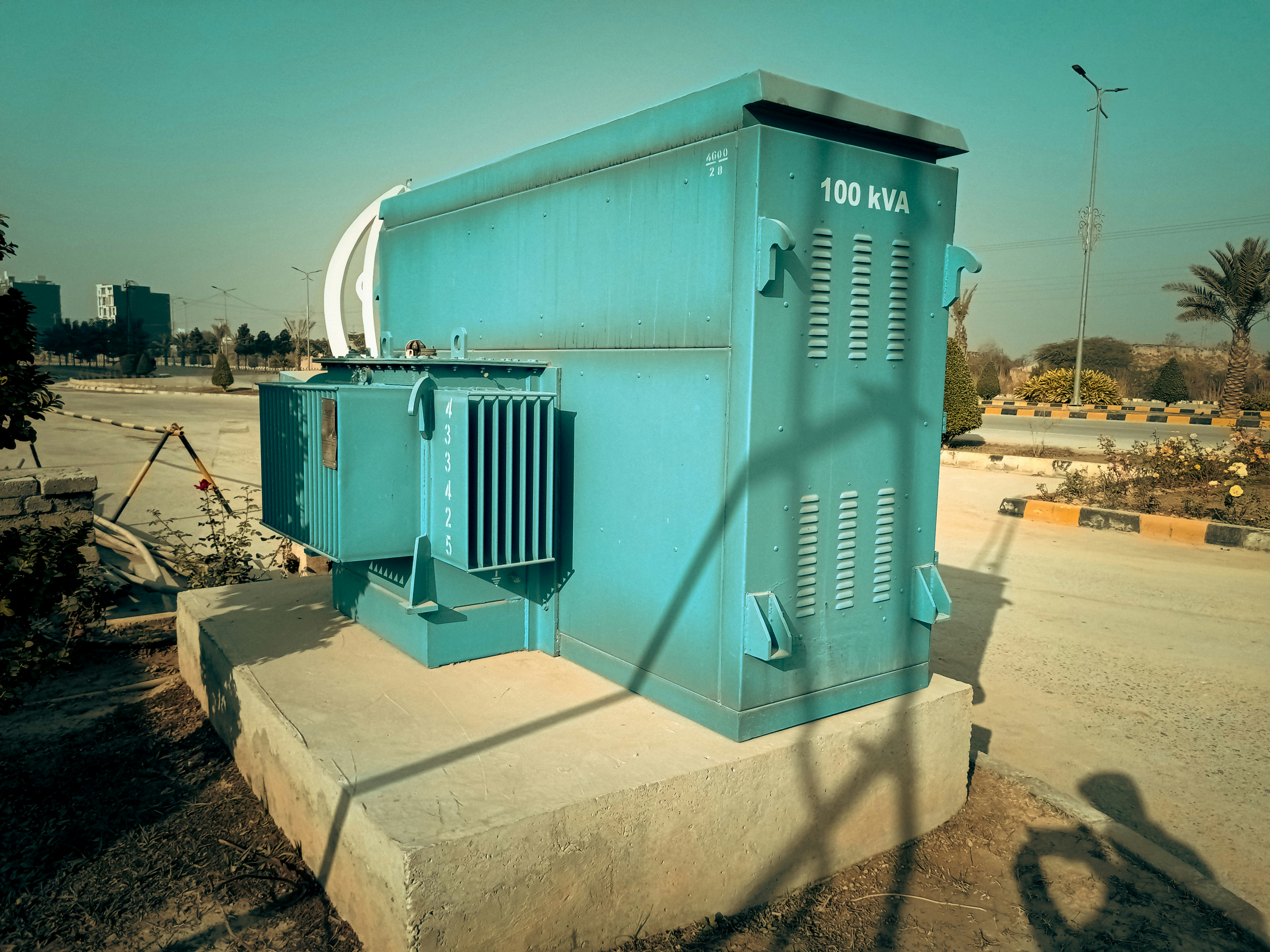
| Switchgear & Loads | Connects/disconnects from the utility grid; distributes power | Switchgear, transfer switches, distribution panels, the loads themselves |
The control system is arguably the most important — and least visible — component. It's what continuously monitors grid conditions, decides when to island or reconnect, and dispatches generation and storage to keep the system stable. Without it, you don't have a microgrid — you have a collection of disconnected equipment.
Microgrids also span a huge range in physical scale. A small commercial site might run on a single generator, a few hundred kilowatts of battery storage, and a compact controller. A hospital campus or military installation might require multiple megawatts of generation, a containerized BESS the size of a shipping container, and switchgear rated for the full facility load. The engineering scales up or down to fit the site — but the four functional categories stay the same regardless of size.
Why a Microgrid Adds Value
Resilience. This is the primary driver. A microgrid keeps critical operations — patient care, data processing, production lines, emergency services — running through a utility outage instead of going dark.
Cost predictability and savings. Microgrids can reduce exposure to peak demand charges and volatile utility rates by shifting load to on-site generation or stored energy during expensive periods, and some can sell power back to the grid or participate in demand response programs.
Reduced transmission losses. Power generated close to where it's consumed avoids the 8–15% of electricity typically lost in long-distance transmission across the traditional grid.
Sustainability integration. Microgrids make it practical to run a high percentage of a facility's power on renewables, since the storage and control system manage the intermittency that would otherwise make solar or wind alone unreliable.
Electrification without new transmission infrastructure. For remote or rural sites, a microgrid can deliver reliable power without the cost and years-long timeline of building new transmission lines to connect to the main grid.
Relief from a grid under growing strain. Rising electricity demand from data centers, electrification, and industrial growth is straining transmission and generation capacity in many regions faster than new infrastructure can be built. A microgrid gives a facility a way to secure reliable power on its own timeline, rather than waiting on utility-scale upgrades that can take years to permit and build.
When to Implement a Microgrid
A microgrid isn't the right investment for every facility. It tends to make sense when several of the following are true:
Downtime is expensive or dangerous. Hospitals, data centers, water treatment plants, and manufacturing lines with high downtime costs see the fastest payback on resilience investment.
The site has experienced repeated grid outages — from storms, an aging local grid, or capacity constraints — and the cost of those outages is measurable.
The facility already has, or plans to add, on-site generation or storage that could be unified under a single control system instead of operating as disconnected assets.
The site is remote or has weak grid infrastructure, making a permanent off-grid or hybrid system more practical than a new utility connection.
Sustainability or emissions targets require a higher percentage of renewable generation than the intermittency of solar or wind alone can reliably support.
The facility supports critical infrastructure or public safety functions — military installations, emergency services, and public safety facilities are increasingly required or incentivized to have this level of resilience.
If none of these apply — if outages are rare, cheap to absorb, and there's no existing on-site generation to build around — a standard backup generator is usually the more cost-effective choice. Microgrids earn their cost when resilience, sustainability, or remote power needs are real and ongoing, not hypothetical.
The Freight Side of Building a Microgrid
Every microgrid explainer talks about generation, storage, and controls as if they simply appear on site. They don't. A microgrid's generators, battery energy storage systems, and switchgear are physically large, heavy, and often oversized for standard freight — and getting them from the manufacturer to the job site is its own logistics project, running in parallel with the engineering and construction timeline.
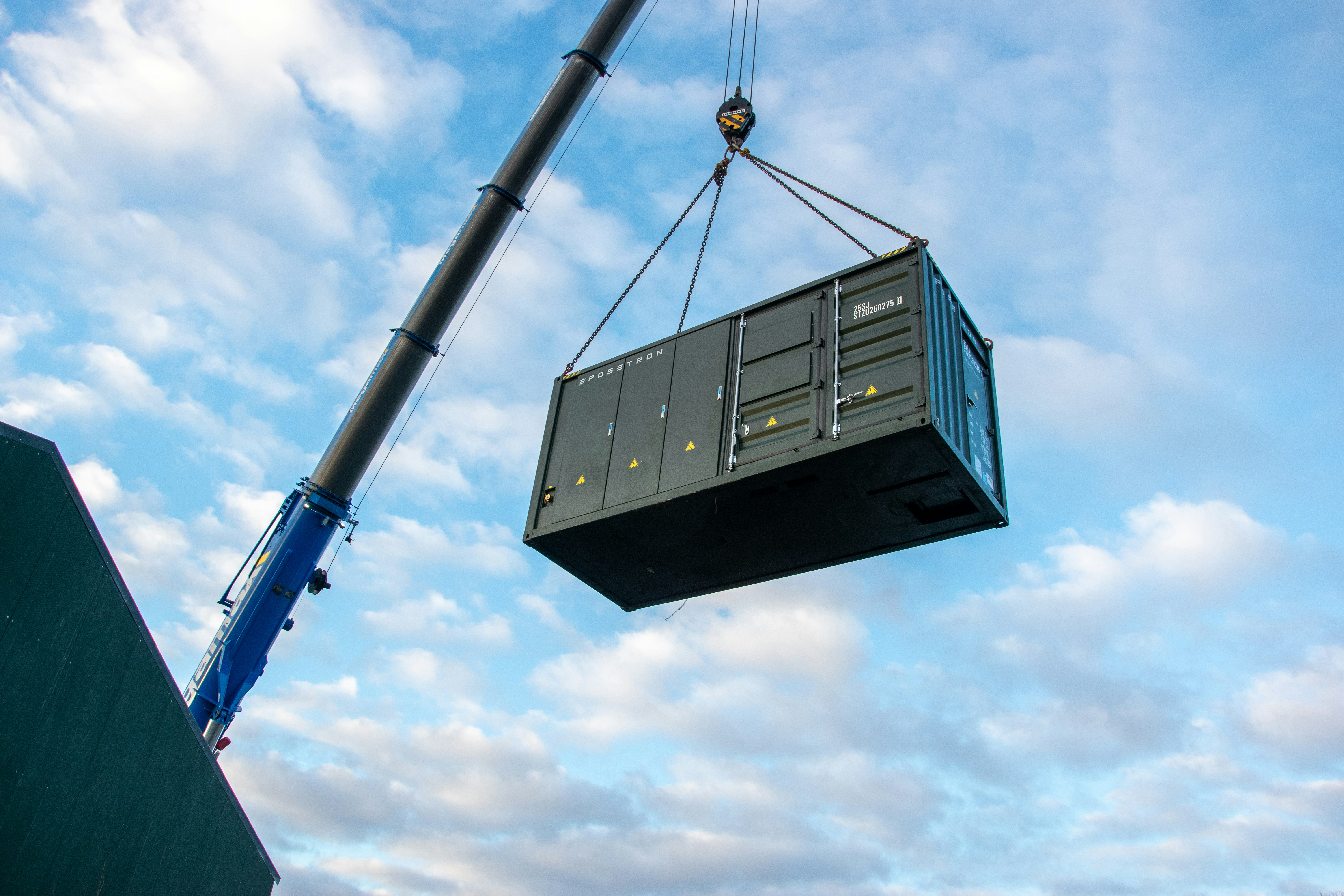
A utility-scale generator set or a containerized BESS unit typically moves on open deck, step deck, or heavy haul trailers, often requiring oversize permits and route surveys — the same category of freight covered in project-based freight logistics generally. For a microgrid project specifically, that freight has to be sequenced against a construction schedule that's often running on a tight timeline, coordinated across multiple vendors (the generation supplier, the battery supplier, the switchgear manufacturer, the EPC contractor), and delivered to a site that may still be under active construction when the equipment arrives.
This is the part of microgrid development that engineering firms and equipment manufacturers aren't built to handle — and it's exactly where a project freight specialist matters. A generator or BESS unit that arrives late, or arrives before the site is ready to receive it, doesn't just sit in a lot — it holds up commissioning, delays the resilience the project was built to deliver, and can push an entire go-live date. Freight planning has to start when the equipment is ordered, not when it's ready to ship.
"A generator or BESS unit that arrives late — or arrives before the site is ready — doesn't just sit in a lot. It holds up commissioning and can push an entire go-live date."
How KASCO Supports Microgrid Development
KASCO isn't a microgrid designer or engineer — that's not our role. Our role is making sure the generators, battery storage units, and switchgear that make up a microgrid actually get to the site, on schedule, without becoming the bottleneck in the project.
Dedicated project managers for the full project lifecycle. Microgrid builds often run in phases over months or years, with equipment arriving at different stages. KASCO assigns a dedicated project manager who stays with the project from the first freight conversation through the final delivery, rather than treating each shipment as a one-off.
Pre-project solution architects. Before equipment is booked, KASCO's solution architects work through the project's freight needs upfront — load specs, site access, timeline, and equipment strategy — so freight is planned around the project instead of arranged reactively once components are ready to ship.
Routing expertise for open deck, oversized, and heavy haul freight. Generators, BESS units, and switchgear frequently require oversize permitting and engineered routes. KASCO's team handles that complexity directly rather than defaulting to generic routing.
Experience across small-scale to large-scale, multi-party projects. KASCO has supported energy microgrid projects ranging from single-site installations to multi-year, multi-stakeholder builds involving multiple equipment vendors and contractors.
If your microgrid project is moving from design into procurement, the freight plan needs to be part of that conversation early — not after the generator is built and waiting for a truck.
Frequently Asked Questions