When a 150-ton power transformer needs to move from a manufacturing facility in Ohio to a substation job site in Texas, the logistics involved bear almost no resemblance to standard freight. There are no standard trucks, no simple rate quotes, and no same-day pickups. Critical power infrastructure transportation is a specialized discipline that requires route surveys, multi-state permitting, custom trailer configurations, and carriers who understand that the equipment they're moving isn't just valuable — it's irreplaceable on a 2-to-4 year lead time.
In 2026, that complexity is colliding with urgency. The US is in the middle of the largest grid modernization wave in decades, driven by AI data center demand, retiring baseload generation, and billions in federal infrastructure investment. Utilities and EPC contractors are racing to execute projects on compressed timelines — and the logistics of getting power equipment to job sites safely and on schedule has quietly become one of the biggest bottlenecks in the entire supply chain.
This guide covers everything utility procurement teams, EPC project managers, and logistics coordinators need to know: what equipment requires specialized transport, which freight mode fits which load, how US permitting actually works, and what separates a qualified carrier from a general broker who underestimates the job.
"Getting the logistics right the first time isn't a nice-to-have — it's a project-critical requirement."
Why Critical Power Infrastructure Transportation Is More Complex Than Standard Freight
Most freight is designed to move. Power grid equipment is different. Large power transformers weigh between 50 and 200+ tons, can exceed 20 feet in height, and are filled with thousands of gallons of dielectric oil that must be managed throughout transit. Substation switchgear assemblies are oversized but fragile, with internal components sensitive to shock and vibration. Battery energy storage systems (BESS) require specific handling protocols due to lithium-ion chemistry. Generators for data centers often arrive pre-assembled and require crane coordination at the delivery site.
The consequences of mishandling are severe. A transformer damaged in transit isn't just expensive to repair. With lead times stretching two to four years for new units, a damaged transformer can stall an entire grid expansion project, delay a substation going live, and cascade into power delivery failures affecting thousands of customers.
The Full Equipment Spectrum: What Moves on Open Deck Trailers
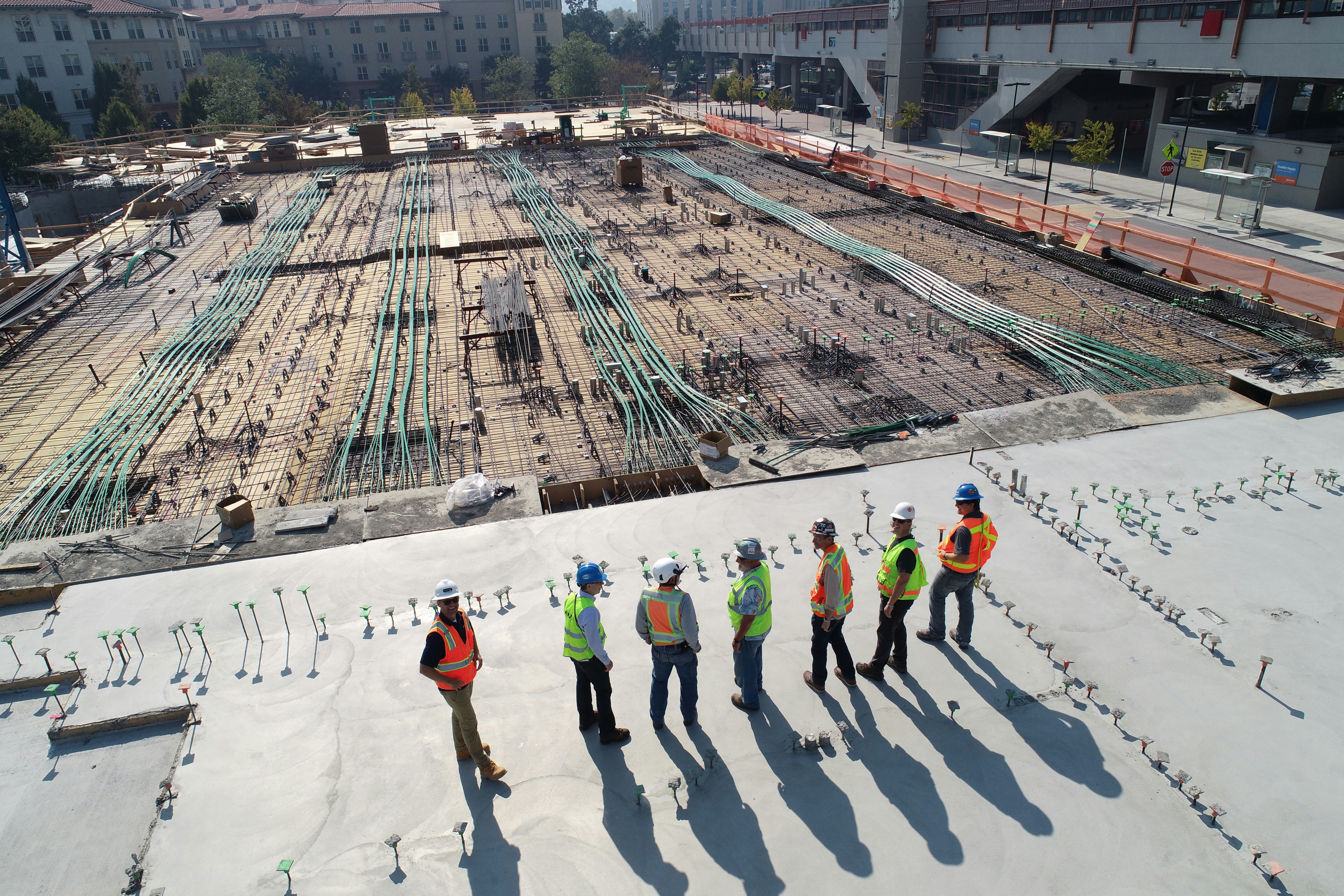
Power Transformers — The most complex and high-stakes category. Utility-scale units range from 50 to 200+ tons and require specialized trailers, multi-state oversize permits, route surveys, and pilot car escort. They are oil-filled and tilt-sensitive.
Substation Switchgear and Circuit Breakers — Oversized but lighter than transformers. Switchgear assemblies often arrive in large pre-fabricated sections requiring flatbed or step-deck transport with specific tie-down and bracing configurations.
Battery Energy Storage Systems (BESS) — A fast-growing freight category driven by renewable energy projects. BESS units require carriers familiar with lithium-ion transport regulations and site delivery coordination.
Generators — Industrial and utility-scale generators are typically transported on heavy haul trailers, removable gooseneck (RGN), or double drop trailers with multiple axle configurations depending on the weight of the unit. Large generator sets require oversize permits, axle load calculations, and crane placement at the delivery site.
Modular Substations and Switchhouses — Increasingly common as utilities pursue faster deployment timelines. These units require perimeter frame trailers or specialty StreetMAX trailers due to their size and structural requirements, along with full OD permit coordination.
The Four Freight Modes: Which One Fits Your Load
Hot Shot Expedited — Best for urgent, time-critical components — replacement parts, control panels, small transformers, protection relays — when a project can't afford standard transit times. Hot shot vehicles dispatch immediately and run direct with no terminal stops.
Open Deck (Flatbed / Step Deck) — The right choice for the majority of power infrastructure equipment that's oversized, too tall for enclosed trailers, or requires side or overhead loading. Most standard power infrastructure freight moves on open deck equipment.
Over Dimensional (OD) — For loads that exceed legal width (8'6"), height (13'6"), or length (53'), or that require special routing due to bridge clearance or road restrictions. OD freight requires state-specific permits, route surveys, and often pilot car escorts.
Heavy Haul — For the highest-weight loads — utility-scale power transformers, large BESS installations, and equipment exceeding standard axle weight limits. Requires specialized multi-axle trailers, axle load calculations, bridge analysis, and superload permits in many states.
US Permitting: What EPC Teams Need to Know
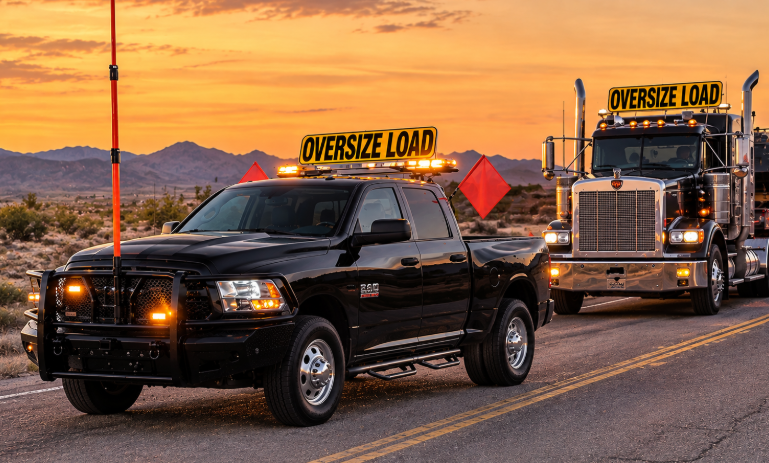
Single-State Moves: Permit acquisition typically takes 3–10 business days. Some states offer routine OD permits within 24–48 hours; others require engineering review and can take two weeks or more.
Multi-State Moves: A transformer moving from the Midwest to the Southeast may cross 4–6 states, each with different dimensional limits, routing restrictions, and permit processing timelines. Total permitting lead time for complex superload moves can run 4–8 weeks. Starting the permitting process after the equipment is ready to ship is too late.
Route Surveys: For heavy haul and superload moves, a physical route survey is required before the permit application is complete. Survey teams document bridge ratings, clearance heights, turning radius constraints, and any temporary infrastructure needed.
The practical implication for EPC project managers: permitting timelines should be built into the project schedule at the same time the equipment lead time is established — not after the transformer ships.
Pre-Move Checklist for Utility and EPC Project Managers
Before a piece of critical power infrastructure leaves the factory or staging yard, confirm:
- ☐ Equipment dimensions and weight confirmed (including oil fill and accessories)
- ☐ Manufacturer transport specs reviewed (tilt limits, vibration limits, blocking requirements)
- ☐ Origin and destination site access confirmed (turning radius, overhead clearances, crane)
- ☐ Trailer type selected and reserved (lowboy, hydraulic platform, step deck, SPMT)
- ☐ Permitting initiated — all states on the route
- ☐ Route survey scheduled or completed
- ☐ Pilot car requirements confirmed per state
- ☐ Delivery window coordinated with site crew and crane operator
- ☐ Carrier qualifications verified (utility sector experience, OD permitting capability)
Common Failure Points: What Goes Wrong
1. Carrier Underqualification — The single most common cause of damage and delay. A general freight broker without heavy haul specialization will underestimate blocking and bracing requirements, select the wrong trailer type, or fail to initiate permitting early enough.
2. Permitting Delays — A four-week permitting delay on a transformer that sits at the manufacturer while a job site waits costs far more than the permits themselves. Start permitting simultaneously with equipment manufacturing.
3. Site Readiness Failures — The transport executes perfectly but the equipment can't be unloaded because a crane isn't on-site or the access road isn't rated for the load. Coordinate delivery timing with the site crew explicitly and lock in a window before the load ships.
"Choosing a specialist with genuine open deck, OD, and heavy haul experience in the energy sector is the same category of decision as choosing the right engineering firm."
Frequently Asked Questions