It's 11pm. A utility-scale transformer has failed at a regional substation. Thousands of customers are without power. The replacement unit is sitting at a manufacturer's facility 800 miles away. And someone needs to get it there — now.
This is the reality of emergency power equipment freight: high stakes, compressed timelines, and zero margin for the coordination failures that are merely inconvenient in planned moves. Whether the trigger is a transformer failure, a nuclear plant derate scenario, a downed transmission line, or a generation equipment outage at a data center or industrial facility, the logistics challenge is the same — get the right equipment to the right location as fast as safely possible.
This guide covers the three primary emergency scenarios, the freight options available, the cost-of-downtime math that justifies expedited spend, and why the worst time to find an emergency carrier is during the emergency itself.
"Every hour of transmission-level downtime can cost a utility tens of thousands of dollars in lost revenue, regulatory penalties, and emergency response costs. The freight bill is almost never the biggest number in the room."
The Three Emergency Scenarios — and What Each Requires Logistically
Scenario 01Transformer Failure
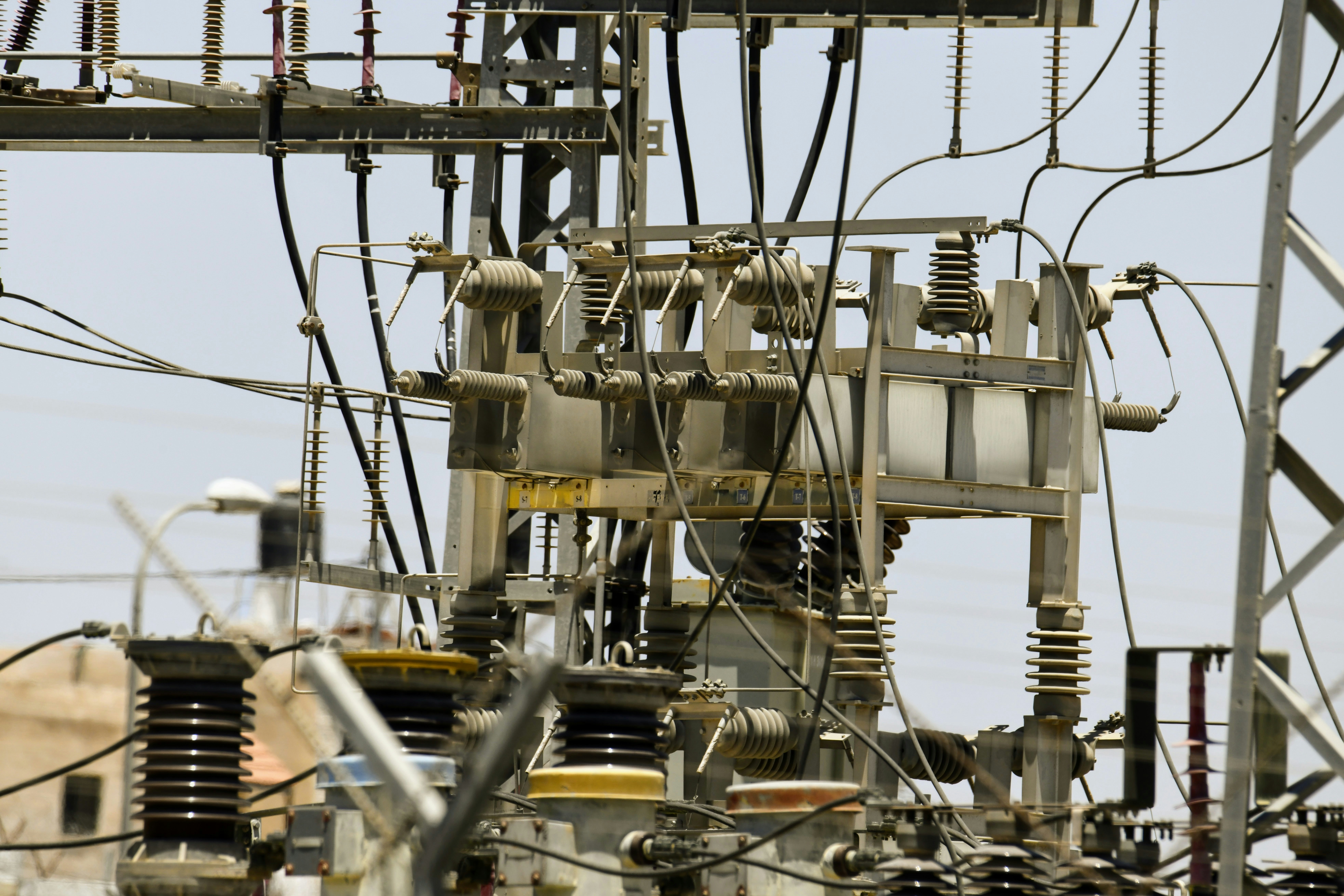
A failed utility-scale transformer is one of the most operationally disruptive events in the power sector. These units — which can weigh 50 to 200+ tons and carry lead times of two to four years for new builds — are not items a utility stocks on a shelf. When one fails, the options are limited: restore the failed unit if repairable, activate a spare if one exists, or source and transport a replacement.
The freight implications depend on the transformer size. Distribution transformers can sometimes be moved via standard flatbed on short notice, with expedited transit times measured in hours or days. Utility-scale transmission transformers are a different matter entirely — they require heavy haul equipment, multi-state permits, and route surveys that can add days to the timeline even under emergency conditions.
In genuine transformer emergencies, a carrier with pre-existing relationships with state permitting agencies and the ability to accelerate permit processing is not a luxury — it's the difference between a 48-hour move and a two-week wait.
Scenario 02Nuclear Plant Derate
A nuclear generating station derate — where a plant is forced to reduce output below its rated capacity due to equipment failure — creates a specific and time-sensitive freight problem. The plant is still operating, but generating less power than contracted. Every megawatt of lost output has a direct financial cost, and the pressure to restore full capacity is immediate.
Derate scenarios are typically triggered by failures in non-nuclear support systems: cooling equipment, instrumentation, electrical switchgear, pumps, or auxiliary generators. These components are often large, custom-manufactured, and not stocked locally.
What makes nuclear derate freight different:
- Components are often custom-built to plant-specific specifications — sourcing the right part is the first challenge; moving it is the second
- Plant access protocols require advance coordination with the facility's security and receiving teams
- The financial cost of a sustained derate makes expedited freight spend highly justifiable
For non-radioactive support equipment (the majority of derate-related freight), standard heavy haul and expedited open deck carriers can handle the move — but they need to be pre-vetted and able to respond immediately. A carrier receiving a call about a nuclear plant shipment for the first time during an active derate is not the right partner.
Scenario 03Downed Transmission Lines and Restoration Freight
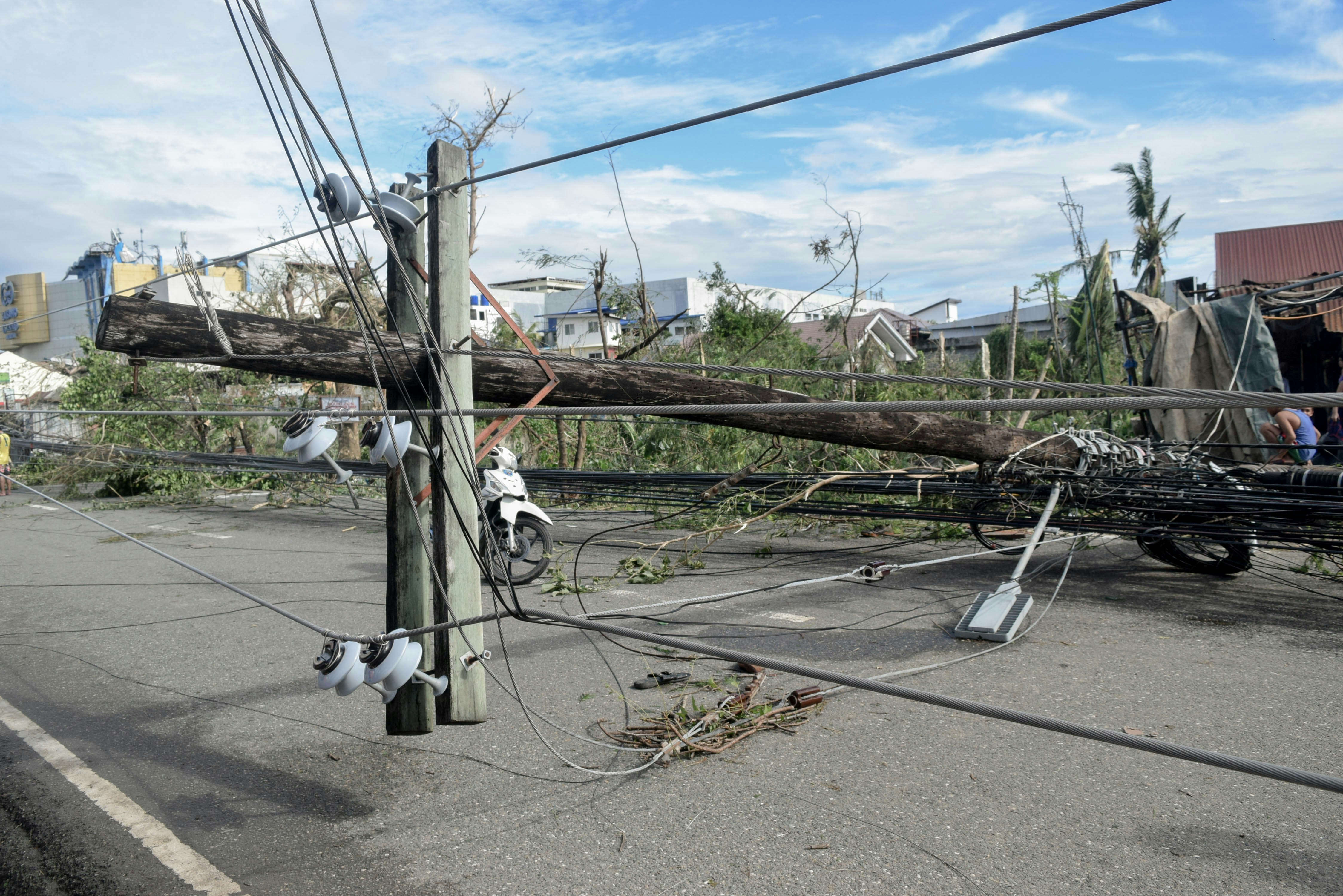
Severe weather events can take down transmission infrastructure across wide geographic areas simultaneously. Restoration requires not just repair crews but physical equipment: replacement poles and structures, conductor and wire, insulators, transformers, and switching equipment — often in large quantities, moving to remote or difficult-to-access locations on aggressive timelines.
This is a high-volume, high-urgency freight scenario where coordination capacity matters as much as individual load capability. A utility executing a storm restoration event may need to move dozens of loads simultaneously across multiple staging locations. A single carrier who can coordinate multiple loads and communicate proactively across a complex operation is more valuable than a patchwork of individual contacts.
"In a storm restoration event, freight coordination failures compound. A delayed pole delivery holds up a crew. A held crew delays line energization. A delayed energization costs the utility a full day of restoration progress."
The Cost of Downtime: Why Emergency Freight ROI Is Straightforward
Emergency freight is expensive relative to planned moves. But it needs to be evaluated against the cost of the downtime it offsets:
- Transmission-level outage: lost wholesale power revenue, regulatory penalties, emergency response costs — often tens of thousands of dollars per hour for a large utility
- Nuclear derate: replacement power purchases on the spot market, lost generation revenue, capacity penalty payments — costs that scale directly with megawatts lost and hours of duration
- Industrial or data center outage: production loss, SLA penalties, recovery costs — which for a hyperscale facility can reach seven figures per hour in severe cases
Against those numbers, emergency freight costs — even at significant premium — are rarely the largest line item in an outage event. The more relevant question isn't "is this freight expensive?" but "what is each additional hour of downtime costing, and how much can we recover by moving equipment faster?" The answer almost always justifies the expedited spend.
Emergency Freight Modes: Matching the Response to the Scenario
Hot Shot Expedited — The fastest option for smaller, time-critical components: replacement control panels, protection relays, bushings, smaller transformer units. Hot shot vehicles dispatch immediately, run dedicated with no stops, and can often have equipment moving within hours of a call.
Expedited Open Deck — For larger loads — generator sets, switchgear assemblies, pole and conductor bundles — that hot shot vehicles can't accommodate. A qualified open deck carrier with 24/7 dispatch can often have a truck rolling within a few hours of confirmed load details.
Emergency Heavy Haul — For utility-scale transformer replacements and other superload freight. The physics don't change in an emergency — permits still need to be pulled for every state, route surveys still apply. What changes is priority level and coordination pace. Realistic emergency heavy haul timelines: 48–96 hours from call to wheels rolling for a domestic move.
What Happens When You Call at 2am
The difference between a carrier who can genuinely help and one who can't often comes down to what happens when the phone rings at 2am. The right carrier's emergency response:
- 24/7 live dispatch — not an answering service, not a voicemail, not a callback in the morning
- Immediate load qualification — the dispatcher asks the right questions and can assess feasibility on the first call
- Carrier network access — the ability to identify and contact a qualified driver and equipment within the network on short notice
- Permit escalation capability — established contacts at state agencies and knowledge of emergency permit processes
- Proactive communication — status updates without the customer having to chase during an active emergency response
Pre-Qualifying Your Emergency Carrier Before You Need One
The worst time to find an emergency freight carrier is during an active outage. Pre-qualify emergency freight partners before an event occurs as part of standard operational risk management — identify one or two carriers with genuine emergency heavy haul and open deck capability, confirm their 24/7 dispatch availability, and store their contact information where it can be found at 2am by whoever needs it.
- ☐ 24/7 live dispatch confirmed — not voicemail or answering service
- ☐ Documented emergency power sector moves (transformer, generation equipment, line restoration)
- ☐ In-house OD permitting capability — can pull permits after hours or on weekends
- ☐ Heavy haul equipment in network — lowboys, hydraulic platforms, SPMTs
- ☐ Hot shot dispatch capability for smaller urgent loads
- ☐ Named account contact available directly — not routed through general queue
- ☐ Insurance coverage appropriate for high-value critical power equipment
Frequently Asked Questions