For most of the last two decades, the US power grid quietly did its job. Demand was flat, the infrastructure was old but stable, and grid reliability rarely made headlines outside of hurricane season. That era is over.
Between AI data centers, an aging physical network, retiring power plants, and a permitting system that can take longer to approve a transmission line than it does to build one, the US power grid infrastructure challenges of 2026 are no longer a background issue for utility engineers — they're a front-page economic story.
This guide breaks down exactly what's straining the grid, why it's happening now, and what's being done about it — without the jargon-heavy tone of a policy brief or the finance-first lens of an investor note.
"None of these pressures are new individually. What's different in 2026 is that they're all converging at once."
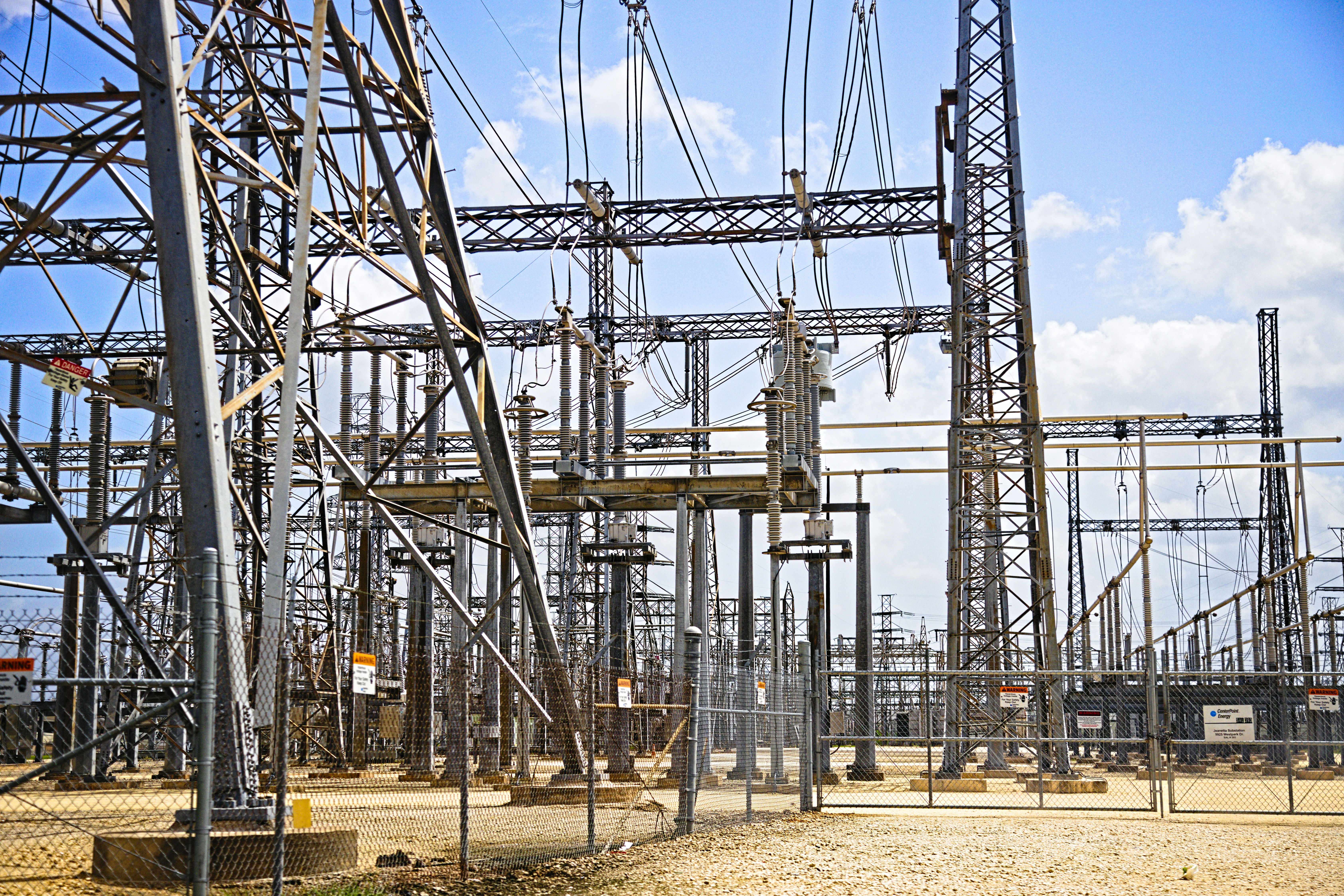
Challenge 01Aging Infrastructure Nearing the End of Its Lifespan
Much of the US transmission and distribution network was built between the 1950s and 1980s, with typical design lifespans of 50 to 80 years. A large share of that equipment is now approaching or past that window — roughly 70% of transmission lines and transformers in service were already over 25 years old as of the most recent nationwide assessment.
Aging equipment doesn't just fail more often; it also carries less power than modern lines of the same size, has higher energy losses in transit, and requires more frequent, more expensive maintenance to keep running safely. This aging backbone was designed around a very different grid — one built for large, centralized power plants sending electricity in one direction to passive customers. Today's grid needs to handle two-way power flow from rooftop solar, EV chargers acting as both load and storage, and distributed generation spread across thousands of smaller sites. The physical hardware often simply isn't built for that job.
Challenge 02Demand Growth Utilities Didn't Plan For
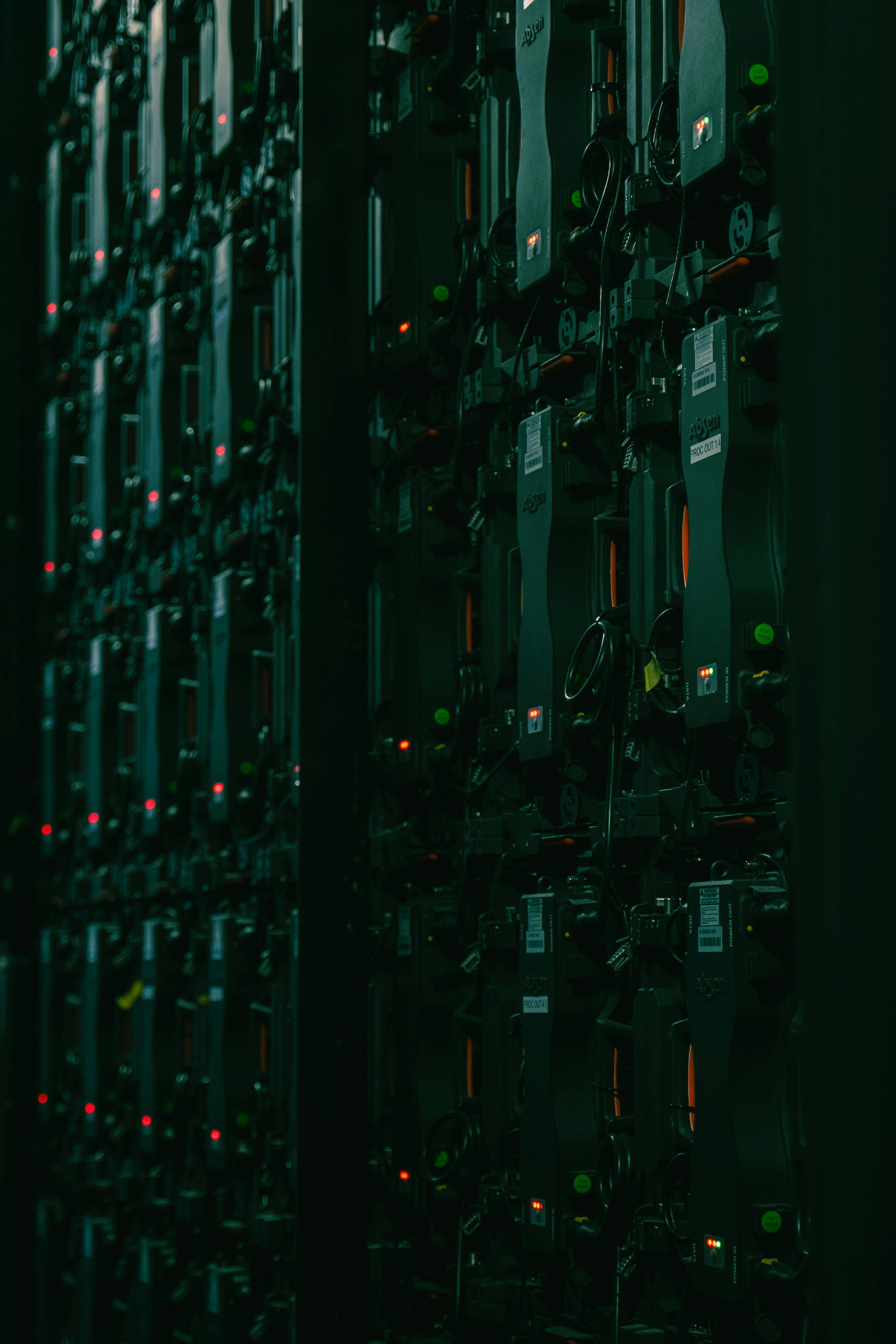
For nearly 20 years, US electricity demand barely moved. That has flipped. Data center construction tied to AI has been the single biggest driver — AI-related data centers accounted for an estimated 4.4% of US electricity consumption recently, with projections that share could roughly triple within a few years.
Regions with dense data center clusters are already asking utilities for grid capacity increases equivalent to adding several mid-sized cities' worth of demand within a decade. Electric vehicles, heat pumps, and industrial electrification are adding to that load. Some industry estimates show expected peak demand growth roughly six times higher than the pace of new generation and transmission construction currently underway.
Challenge 03Generation Retirements Are Outpacing Replacement
At the same time demand is climbing, the grid is losing some of its most dependable power sources. Coal and older natural gas plants — the "always-on" baseload generation the grid has relied on for decades — are retiring faster than they're being replaced. Recent annual retirement volumes have jumped by well over 50% year over year, driven by both plant age and economics.
Wind and solar continue to expand, but intermittent generation can't fully substitute for retiring baseload capacity without matching investment in transmission and long-duration storage — both of which are also constrained. Federal resource adequacy analysis has warned of a meaningful shortfall between the firm generation capacity expected to be available by 2030 and what's actually needed to cover peak demand reliably.
Challenge 04Extreme Weather Is Breaking Aging Equipment Faster
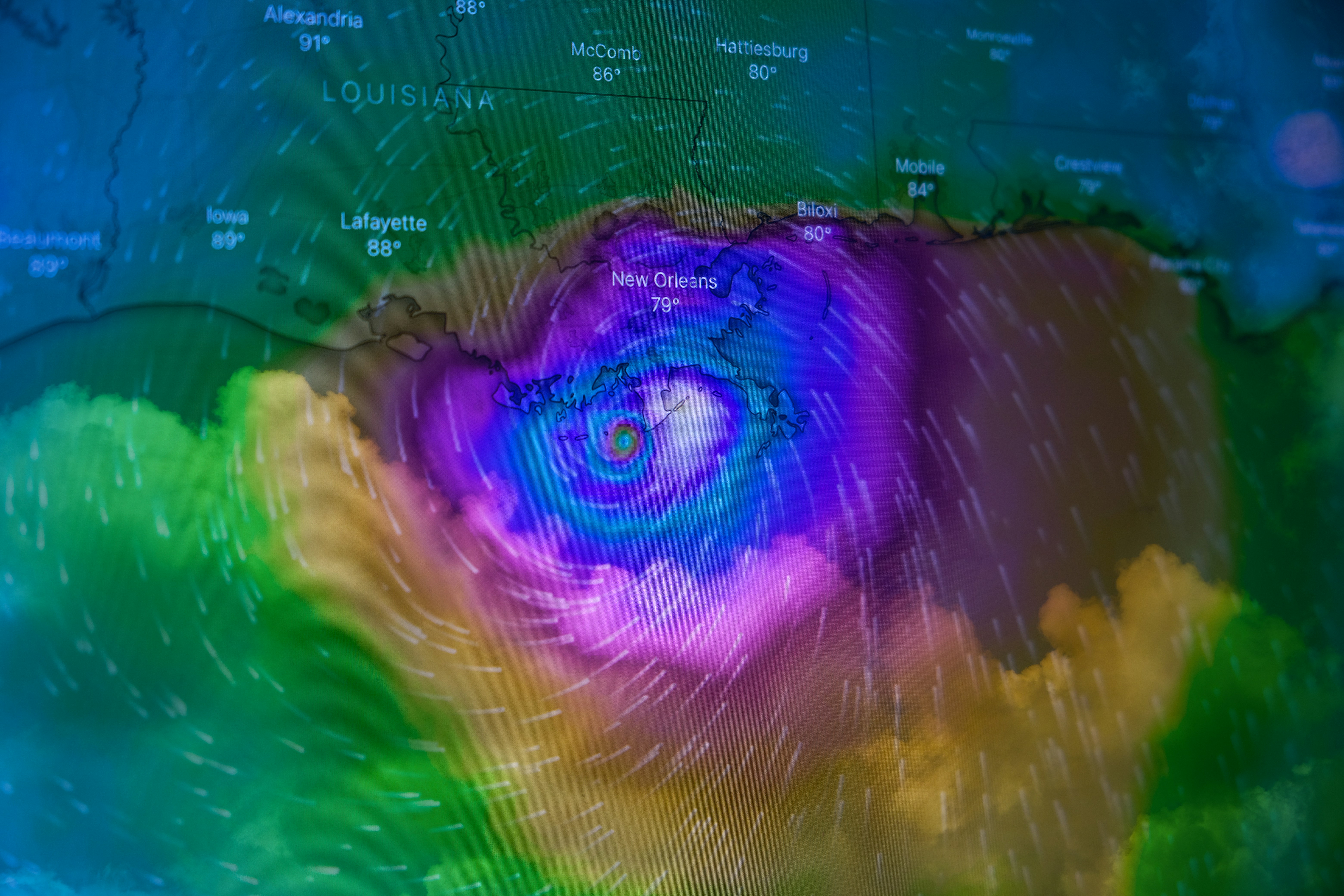
Severe weather doesn't just knock out power temporarily — it accelerates the physical decay of aging infrastructure. Heat waves cause transmission lines to sag and lose carrying capacity exactly when demand for air conditioning peaks. Ice storms and hurricanes snap poles and damage substations. Wildfires, increasingly linked to failing or arcing equipment in dry, high-wind conditions, have forced utilities in the West to adopt aggressive and expensive preemptive shutoff policies.
The billion-dollar weather disaster count in the US has repeatedly set new records in recent years, and each one adds new strain to a grid that was never engineered with today's climate volatility in mind. For utilities, physical hardening — stronger poles, undergrounding lines, better vegetation management — has gone from a nice-to-have to a core capital priority.
Challenge 05Permitting and Transmission Siting Gridlock
Even when utilities and developers agree a new transmission line is needed, actually building one is a different problem entirely. New high-voltage transmission projects commonly face five- to seven-year delays tied to permitting, environmental review, and interconnection queues — and that's before accounting for local opposition.
Regulatory jurisdiction is also fragmented: regional grid operators manage the system but don't own the lines, states control siting, and utilities own the assets — a patchwork that slows nearly everything down. High-profile examples of multi-year, multi-state transmission projects getting stalled or cancelled by local referendums and legal challenges aren't rare exceptions — they're a structural feature of how the current system works.
"A transmission line can take longer to permit than it does to build. That's not an edge case — it's the norm."
Challenge 06Cybersecurity and Physical Security Risks
As the grid becomes more digital — smart meters, remote monitoring, two-way communication with distributed energy resources — it also becomes a larger target. More connected devices mean more potential entry points for bad actors, and federal agencies now classify grid protection alongside nuclear and water infrastructure as top-tier critical infrastructure security priorities.
Physical security is a growing concern too. With well over 160,000 miles of high-voltage transmission line and thousands of substations spread across the country, much of it in remote or lightly monitored locations, the system presents a genuinely difficult security surface to defend — one that has attracted real incidents of substation sabotage in recent years, not just theoretical risk.
Challenge 07Equipment, Materials, and Workforce Shortages
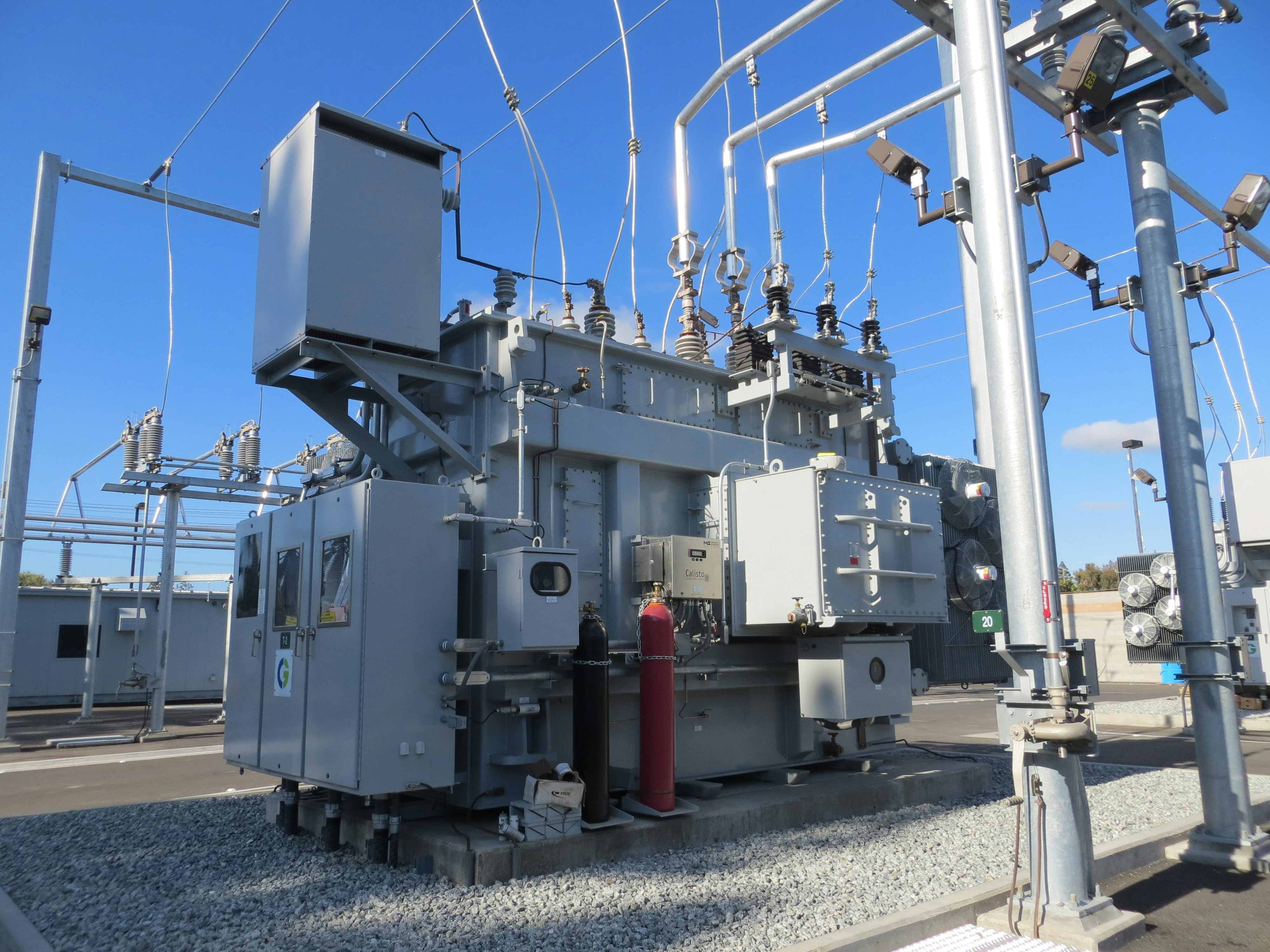
Even fully funded, fully permitted grid projects run into a more basic problem: it's hard to get the parts and people to build them. Large power transformers now commonly have lead times well over two years, with some units taking up to four years to deliver. That single bottleneck alone can stall grid expansion projects that are otherwise ready to move forward.
The labor side is just as tight. Industry estimates suggest the US will need several hundred thousand additional licensed electricians over the next decade just to keep pace with grid buildout and building electrification — a workforce gap that construction timelines already account for as a real constraint, not a hypothetical one.
What's Being Done
The response so far is a mix of federal funding, regulatory reform, and private capital. Programs like the Grid Resilience and Innovation Partnerships initiative have directed billions of dollars toward resilience and modernization projects across most states. FERC has pushed through significant reforms to transmission planning rules aimed at speeding up how new lines get approved and who pays for them.
On the private side, major utilities and independent power producers are investing tens of billions of dollars combined into modernization, new generation, and storage. Grid-enhancing technologies — dynamic line rating, advanced power flow control, real-time monitoring — are increasingly used to squeeze more capacity out of existing infrastructure while new lines work through the permitting pipeline.
What This Means for the Energy Supply Chain
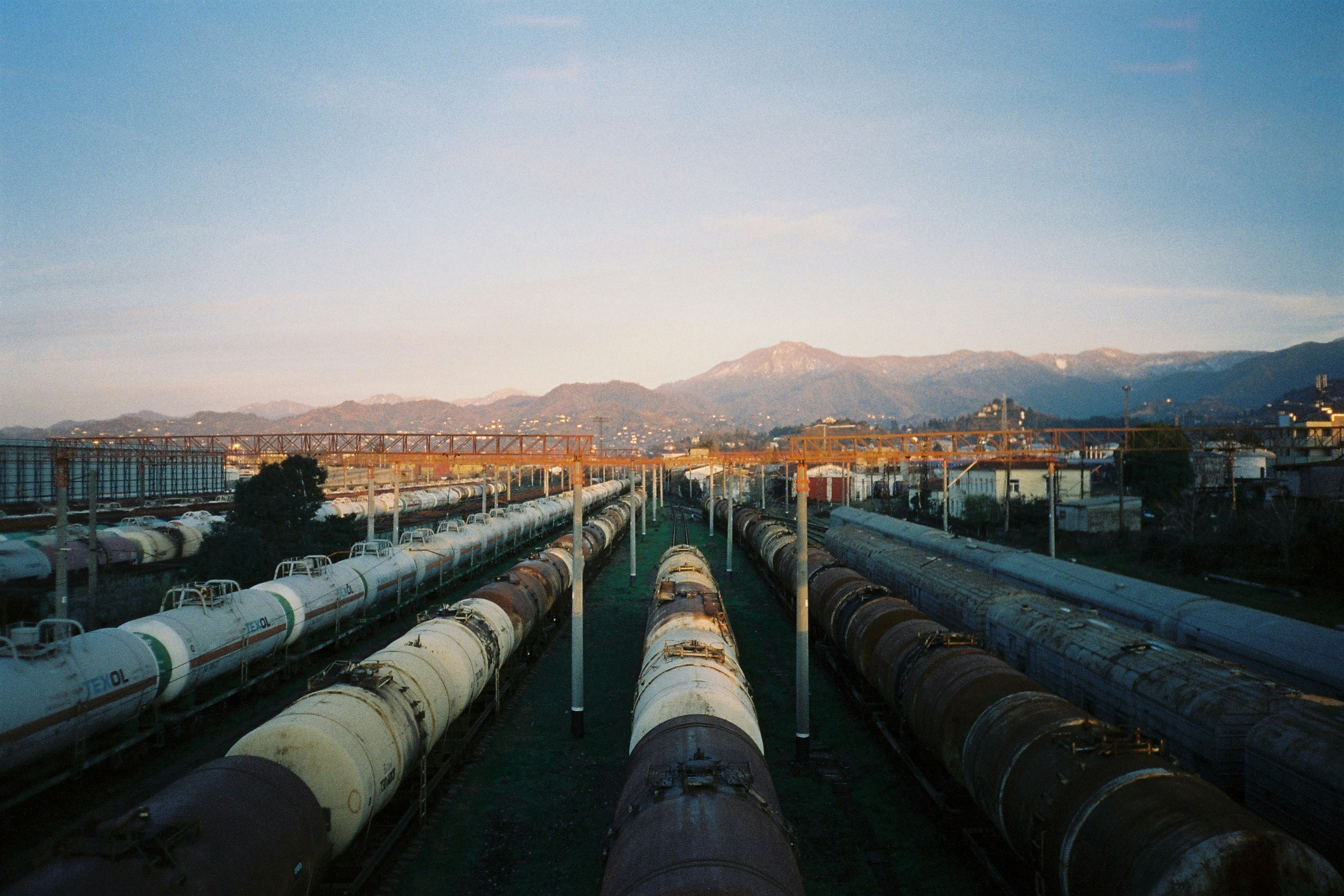
Grid modernization isn't just a utility problem — it's a manufacturing, logistics, and construction problem. Every transformer, switchgear cabinet, substation structure, and mile of conductor that goes into a grid upgrade has to be engineered, manufactured, and physically transported to often remote job sites, frequently as oversized or overweight freight requiring specialized flatbed, step-deck, or heavy-haul transportation.
As utilities and EPC contractors race to execute the current wave of grid investment, reliable logistics for this kind of equipment is quietly becoming as important a bottleneck as permitting or workforce availability. Manufacturers and contractors in this space benefit from freight partners who understand the specific handling, routing, and scheduling demands of power infrastructure equipment — not just general industrial freight.
KASCO specializes in exactly this: open deck, over dimensional, and heavy haul freight for power and energy infrastructure. If you're moving a transformer, substation component, or BESS unit, reach out to a KASCO specialist directly.
Frequently Asked Questions